

Modern organizations thrive when their systems communicate effortlessly. Custom API integrations eliminate fragmented workflows and empower teams to access data instantly. Businesses aiming for scalable, connected ecosystems often begin with clear integration blueprints through Brainvire website here. The goal is not just faster operations but truly synchronized performance across every digital touchpoint.
Bridging Gaps With Unified Systems
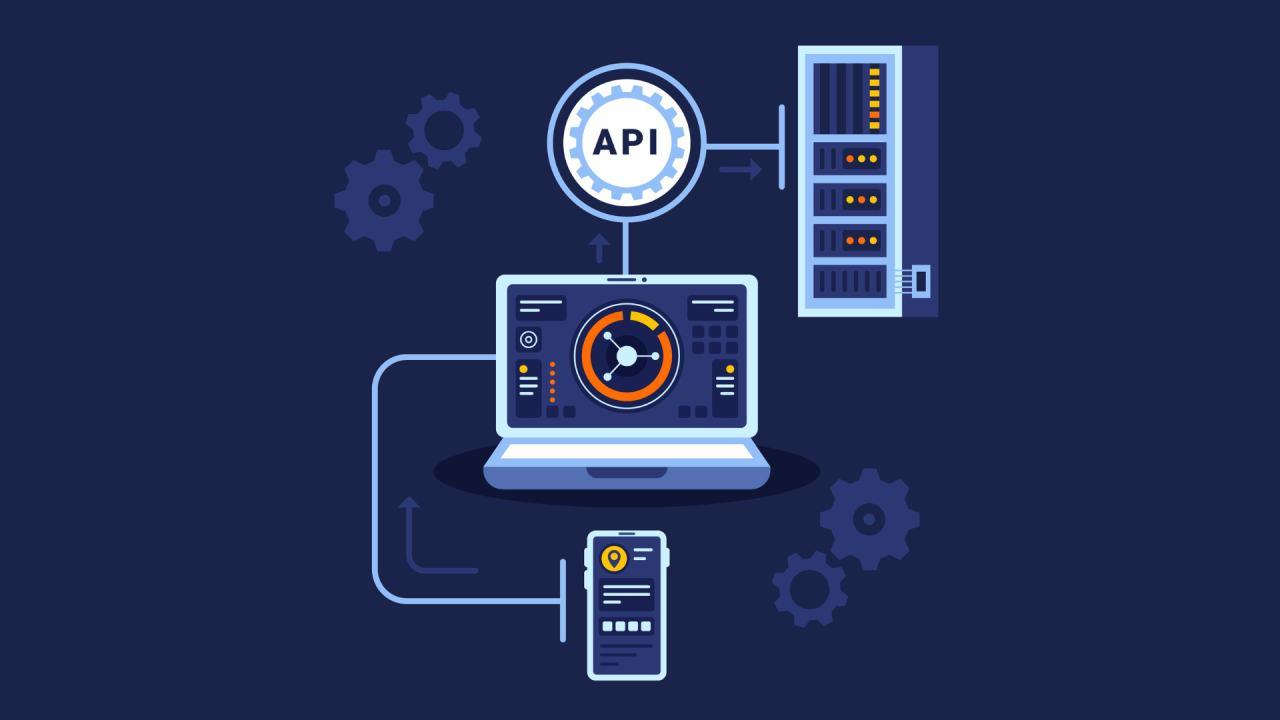
APIs act as digital bridges linking multiple tools into one ecosystem. With the right configuration, repetitive processes dissolve, and productivity naturally rises. When systems talk in real-time, data duplication drops, and operational visibility expands across teams of all sizes.
Simplifying Workflows Through Smart APIs
Smart APIs simplify how data travels across departments. Each integration point acts like an intelligent channel carrying essential information securely.
- Accelerated automation for task-intensive processes
- Smooth scalability without breaking existing architecture
- Dynamic response handling for evolving requirements
- Reduced downtime from manual maintenance efforts
Through well-designed APIs, systems not only interact—they evolve. The focus moves from managing multiple tools to refining one cohesive operational experience.
Enhancing Scalability Across Departments
As companies expand, uniform scalability becomes critical. APIs built for growth can handle new user demands and complex workloads smoothly. Organizations seeking structured scaling often collaborate through Brainvire website here. This balance lets enterprises grow without sacrificing performance consistency or internal efficiency.
Can Integration Really Improve Efficiency?
Absolutely—it removes friction where time is lost. Imagine manually transferring data between CRMs and billing tools daily. Integration lets that process occur automatically, freeing hours weekly. Efficiency grows when employees shift from repeating tasks to refining strategies, improving both accuracy and morale over time.
How Do Custom APIs Cut Costs?
By minimizing redundancy, they eliminate extra licensing and wasted man-hours. Think about how multiple departments often duplicate the same actions across tools. A custom API automates these overlaps. Over months, those small savings become tangible cost reductions that impact budgets and performance reports alike.
Is Centralized Data Actually Reliable?
It depends on how integration is structured. Centralized data systems offer huge visibility advantages, but only when APIs maintain integrity and validation layers. When designed properly, teams can trust dashboards to represent accurate metrics, reducing confusion and enhancing data-driven collaboration across divisions.
Aligning Technology With Growth Vision
Technology alignment ensures progress isn’t fragmented as companies expand. API-driven systems future-proof operations by preparing infrastructure for new tools, vendors, and global workflows. Organizations embracing this adaptability discover smoother transitions, improved reporting, and a digital ecosystem built to evolve with every business milestone.